
Why You Need To Take Microneedling Courses
Microneedling has quickly moved from a niche treatment to a staple service in many modern aesthetics practices. Clients ask for it by name, clinics promote it as a go to option for texture and tone concerns, and social media keeps it top of mind. But the popularity of microneedling also comes with a responsibility, it is a procedure that requires skill, strong clinical judgment, and a clear understanding of safety. If you are considering adding microneedling to your services, or you want to improve the results you deliver, taking dedicated microneedling courses is one of the smartest moves you can make.
Education is not just about learning steps, it is about building real competency. Here is why formal microneedling training matters, and why it can be a turning point for your confidence and career growth.
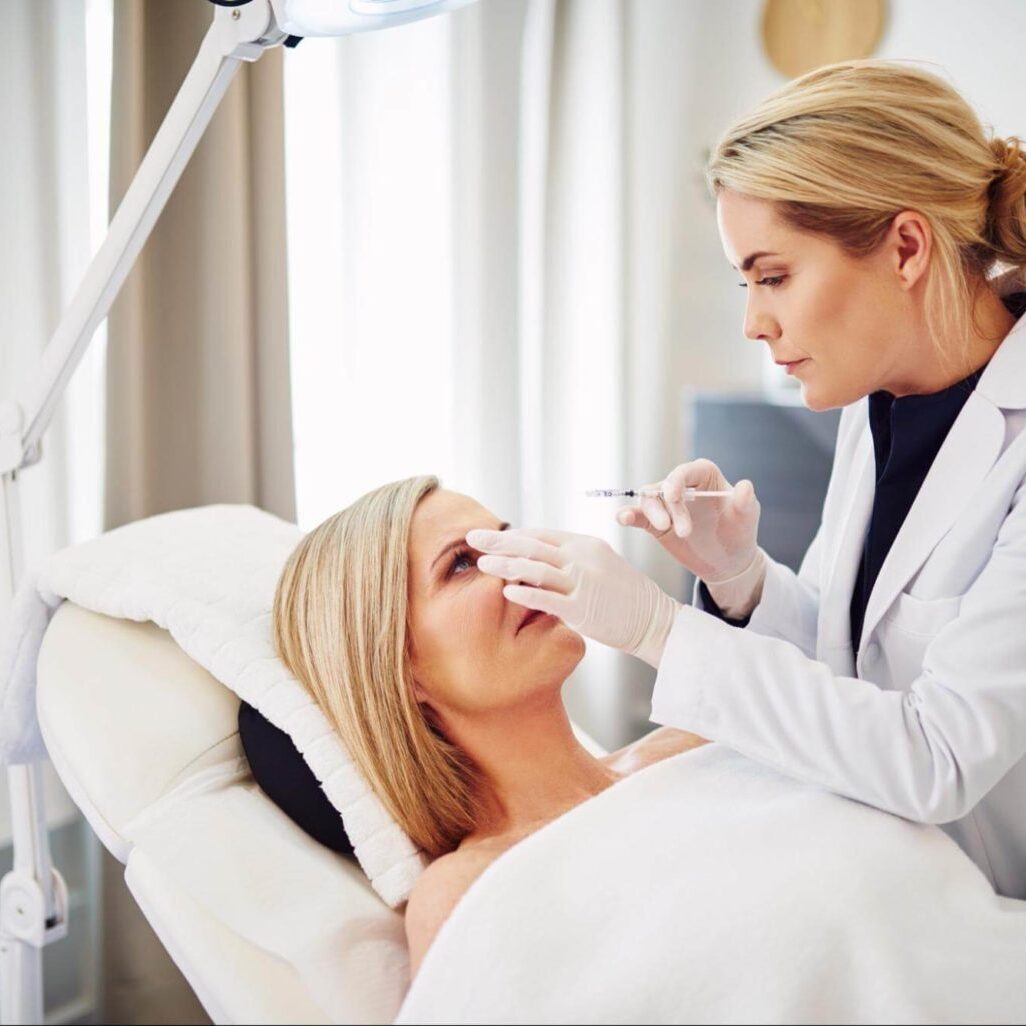
Microneedling is technique dependent: Results follow training
Microneedling might look straightforward from the outside, but outcomes depend heavily on the provider’s technique. Needle depth selection, pass patterns, pressure, speed, treatment endpoints, and product pairing all influence results. Courses help you understand not only what to do, but why you are doing it. That difference matters, because clients notice consistency.
Without structured training, many providers rely on guesswork or generic protocols, which can lead to under treatment, over treatment, or unpredictable outcomes. A quality microneedling course teaches you how to customize treatment plans for different skin types, concerns, and tolerance levels, so your clients get safer, more reliable results.
Foundations of Microneedling: Safety is not optional
Microneedling crosses the skin barrier. That means infection control, skin prep, sterile technique, and proper aftercare are not add ons, they are central to the service. Training gives you a clear framework for minimizing risk. You learn how to set up your treatment space correctly, maintain hygienic practices, and educate clients on what to do after the procedure.
You also learn how to spot red flags before you start. Not every client is a good candidate on the day they walk in. A course helps you identify contraindications like active infections, certain medication use, compromised healing, or recent procedures that may increase risk. This protects your clients and it protects your reputation.
Manage complications with confidence
Even when you do everything right, you need to be prepared for what can happen. Post treatment erythema, pinpoint bleeding, irritation, and sensitivity are common and usually expected, but providers must be able to tell what is normal versus what signals a problem.
Microneedling courses teach complication awareness and response. You learn how to reduce the chance of issues and what steps to take if a client experiences unexpected swelling, prolonged irritation, hyperpigmentation risk, or a reaction to topicals. Confidence in problem solving is often what separates a new provider from a trusted one.
Proper education helps you stay within scope and standards
A professional course clarifies standards, scope considerations, and best practices for documentation. Microneedling often sits at the intersection of aesthetics and medical oversight depending on the region, the device, and the setting. Training can help you understand how to practice responsibly, including what to document, how to obtain informed consent, and how to communicate realistic outcomes.
Clear documentation is not only a professional habit, it is an essential part of client safety and continuity of care. When your records reflect thoughtful assessment and proper education, you support better outcomes and reduce preventable misunderstandings.
You build stronger client trust and better retention
Clients are more informed than ever. They ask about needle depth, downtime, frequency, and expected changes. They want to know how microneedling compares with other options, and they want reassurance that the person treating them understands skin.
When you have formal training, you communicate differently. Consultations become calmer, clearer, and more personalized. You can explain why you are recommending a schedule, what results are realistic, how long changes may take, and what aftercare will support healing. That builds trust, and trust drives retention, referrals, and long term relationships.
Training helps you deliver more consistent & predictable results
Microneedling works best with a plan. Many clients need a series, and progress can be subtle at first. Courses help you set expectations and map treatment intervals based on skin goals and recovery needs. You learn how to track improvement, adjust your approach, and know when to refer or pause.
Consistency is also about your own process, how you prep, how you treat, and how you educate. A structured course gives you repeatable protocols and decision making tools, so you can maintain quality even as your schedule grows.
You strengthen your professional identity and career options
Microneedling is widely requested, which makes it a valuable skill for anyone building a career in aesthetics. If you are employed, adding certified training can make you more competitive. If you are building your own client base, it can help you expand services in a responsible way.
Beyond employability, training often changes how you see your role. You begin to approach treatments more clinically, with better assessment and more thoughtful planning. That shift can elevate your work across multiple services, not just microneedling.
You gain hands on practice in a supportive environment
One of the biggest benefits of taking microneedling courses is guided practice. Watching videos or reading protocols does not compare to working under a trainer who can correct your angle, pressure, and pacing in real time. Hands on learning helps you develop muscle memory and confidence, so you are not second guessing yourself with clients.
The goal is to help students walk away feeling prepared, not overwhelmed. A well designed course creates space for questions, realistic scenarios, and skill building that transfers directly to practice.
You learn how to create better consultations and treatment plans
Microneedling is not a one size fits all service. Skin thickness, sensitivity, pigmentation risk, scarring patterns, and lifestyle factors all matter. Courses teach assessment tools that lead to better planning. That includes choosing appropriate depths, understanding when to be conservative, and deciding when a client needs additional skin preparation before treatment.
You also learn how to discuss timelines and maintenance, which helps clients feel informed and committed. A strong plan supports safer outcomes and reduces disappointment.
Investing in education is investing in your reputation
In aesthetics, your reputation is built one appointment at a time. Formal microneedling training signals professionalism, commitment, and respect for client safety. It can reduce mistakes, improve outcomes, and increase confidence in your work. Over time, that shows up as stronger reviews, more referrals, and a client base that trusts your recommendations.
Microneedling courses are not just about adding a service, they are about becoming the kind of provider who delivers quality consistently and responsibly.
If you want to offer microneedling with confidence, or you want to elevate the outcomes you deliver, structured training is the best place to start. We focus on practical skill, safety standards, and real world application, so you can leave training ready to work with clarity and confidence.
Education is not an expense in aesthetics, it is the foundation for everything that comes next.